A Step-By-Step Guide to Post-Accident Insurance Coverage
Experiencing a collision can be a stressful ordeal that leaves drivers uncertain about how to proceed with repairs and insurance claims. Navigating post-accident coverage requires patience, systematic organization, and a clear understanding of your legal rights. Knowing the precise sequence of steps to execute immediately following an incident protects your financial interests and reduces unnecessary anxiety. Taking proactive, informed measures ensures your vehicle is safely restored without encountering unexpected out-of-pocket expenses or administrative delays.
Securing proper collision coverage involves communicating clearly with both your insurance provider and professional repair facilities. According to Rentech, more than 70,000 auto body shops were actively in business throughout the United States as of May 5, 2025, offering vehicle owners an extensive selection of service providers. Having so many service locations available means vehicle owners must carefully evaluate where to take their damaged vehicles. Understanding how insurance claims interact with these service centers empowers drivers to make confident decisions throughout the repair process.
Developing a basic familiarity with insurance claim procedures makes the post-collision recovery journey far more predictable. Many drivers make avoidable mistakes simply because they do not fully grasp what their specific policy covers. By educating yourself on policy terms and filing procedures, you can advocate effectively for your vehicle's repairs. Preparing yourself ahead of time transforms a frustrating accident into a structured, manageable recovery effort.
Document the Incident Thoroughly
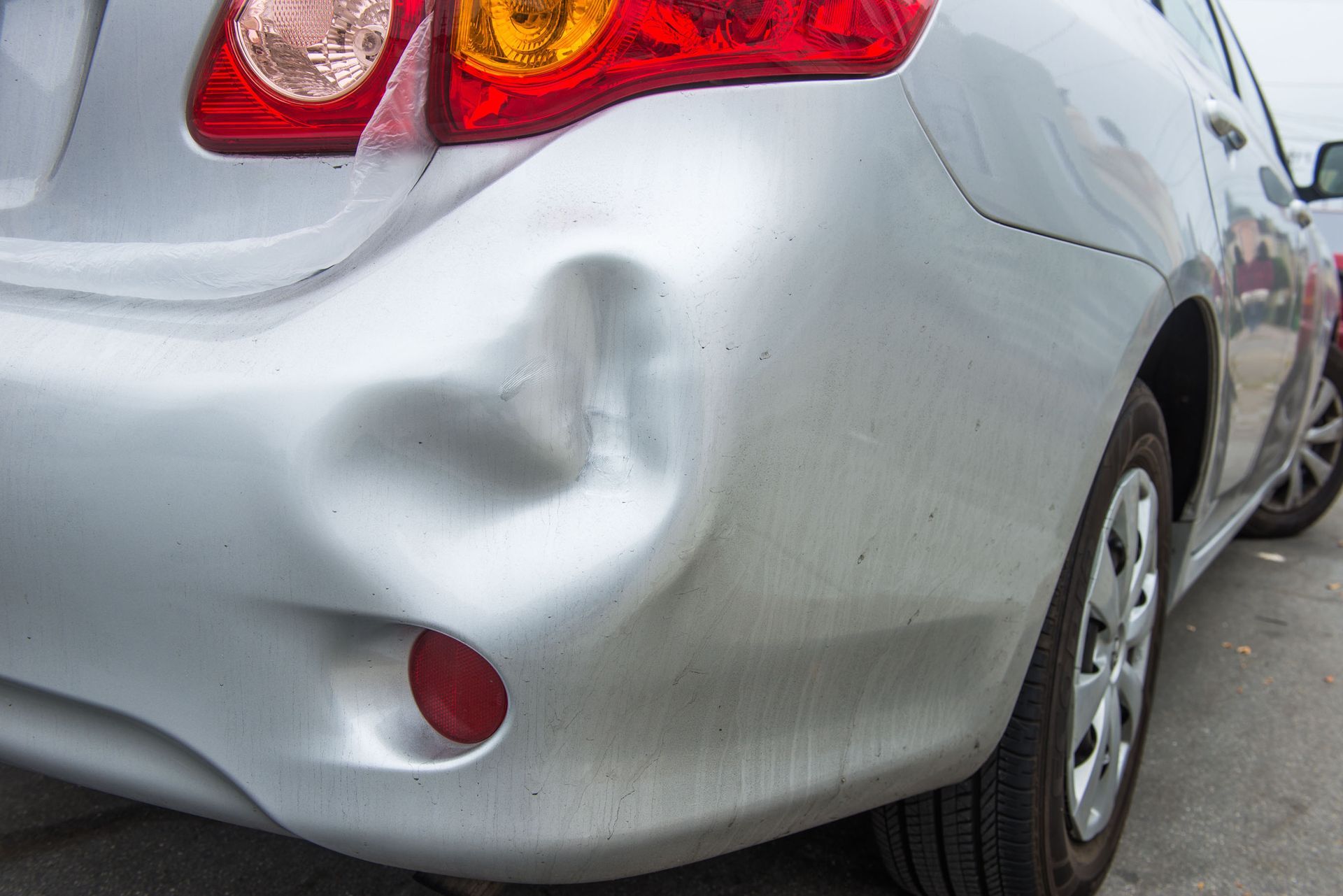
Immediately after securing the physical safety of all vehicle occupants, your primary objective must be gathering accurate information at the scene. Capture clear photographs of all damaged vehicles, road conditions, traffic signals, and relevant environmental factors. Exchange contact details and policy identifiers with all involved motorists, while avoiding any informal statements regarding liability. These initial visual records and factual notes create a solid foundation that insurance adjusters rely upon when assessing your claim.
In addition to visual evidence, obtain an official copy of the police accident report as soon as it becomes available. Law enforcement personnel record objective observations, witness statements, and preliminary assessments regarding traffic violations that occurred during the event. Comprehensive inspection reports provided by local auto body shops can further corroborate the physical evidence recorded in police documentation. Submitting thorough evidence during initial claim filing minimizes delays and prevents adjusters from disputing the severity of your damages.
Beyond immediate photographs, maintain a detailed written log of all personal property damage and incidental expenses resulting from the collision. Keep every receipt for towing services, emergency assistance, temporary transportation, and medical evaluations in a dedicated claims folder. Detailed record-keeping ensures that you do not overlook reimbursement opportunities for covered out-of-pocket expenses. Organized documentation consistently leads to faster claim processing and more equitable financial settlements from insurance companies.
Contact Your Claims Representative
Notify your insurance carrier about the collision as soon as possible to formally launch the claims intake process. Modern insurance providers offer multiple convenient channels for reporting accidents, including mobile applications, web portals, and telephone call centers. Be prepared to provide the exact date, precise location, and a factual summary of how the collision transpired. Prompt reporting allows insurance claims adjusters to open your file without delay and begin assessing coverage options.
During this initial consultation, request explicit confirmation regarding your policy coverage limits, deductible amounts, and rental car provisions. Inquire whether your insurance carrier requires you to utilize their specific network of auto body shops or permits total freedom of choice. Clarifying these operational guidelines early on prevents frustrating misunderstandings regarding out-of-pocket expenses or non-covered repair services. Always record the full name, direct phone number, and employee identification number of every representative you speak with.
After initiating your claim, establish a consistent schedule for checking the status of your file with your assigned claims adjuster. Ask for written confirmation of any verbal agreements or coverage decisions made during phone calls to maintain a paper trail. If your policy includes rental reimbursement benefits, confirm the daily allowance and maximum coverage duration before reserving a loaner vehicle. Active communication prevents your file from languishing and keeps the repair process moving forward efficiently.
Evaluate Your Repair Options
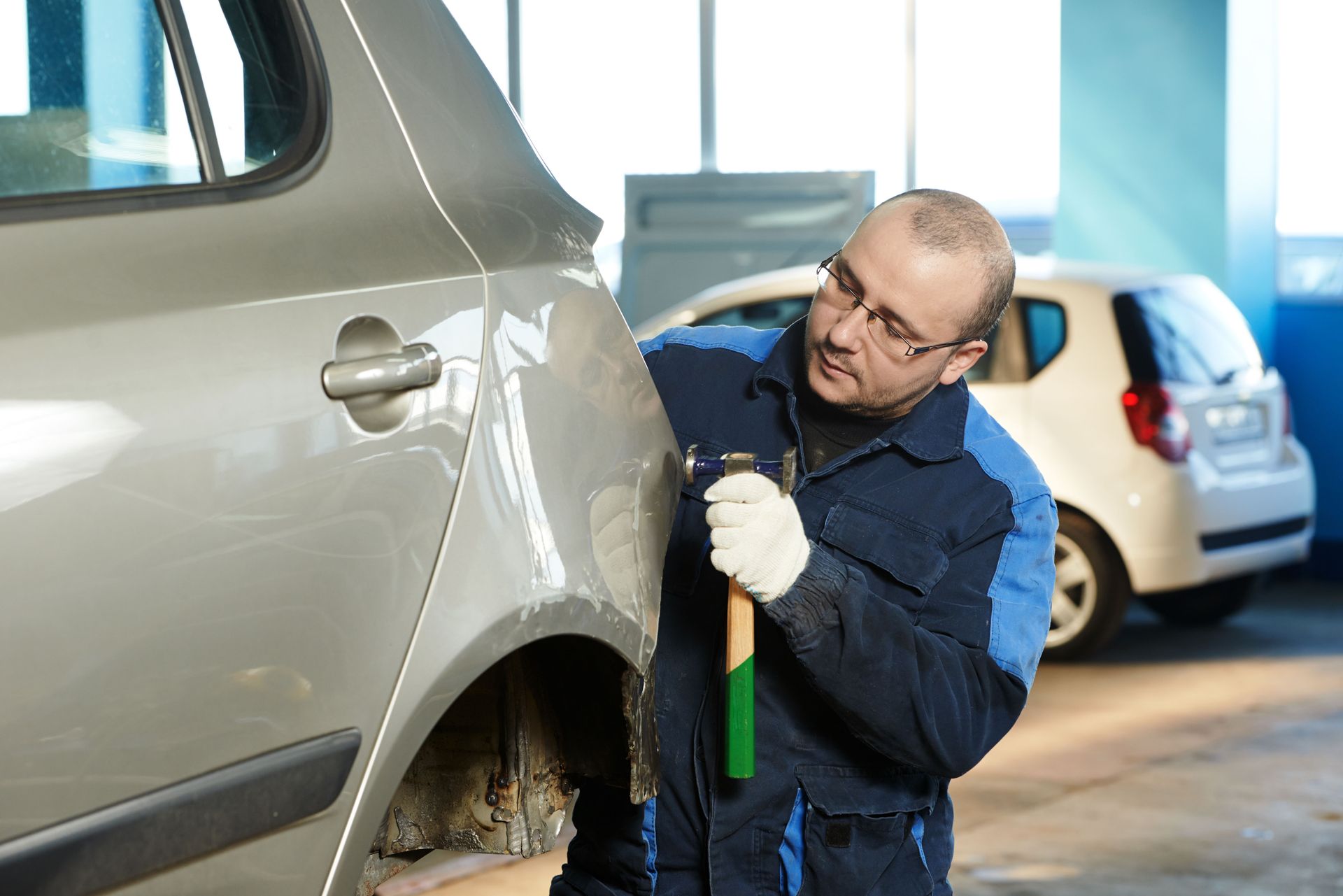
While insurance companies frequently direct policyholders toward network facilities, policyholders retain the legal right to choose their preferred repair shop. Preferred facilities offer streamlined billing, but choosing an independent provider can ensure specialized craftsmanship or original equipment manufacturer parts. Researching certified auto body shops involves reading customer reviews, verifying technician credentials, and checking warranty offers on paint and structural repairs. Taking time to research independent repair options ensures your vehicle receives meticulous care tailored specifically to its manufacturer guidelines.
Before authorizing repair work, obtain itemized written estimates from professional auto body shops to compare against the insurance adjuster’s initial damage assessment. Ensure that each estimate itemizes replacement parts, structural labor hours, refinishing costs, and estimated timeframes for completion. If notable differences exist between the adjuster's estimate and the repair plan, request a joint supplemental inspection to reconcile those variations. Transparent communication between your chosen facility and your insurer guarantees that hidden structural damage is fully addressed before work begins.
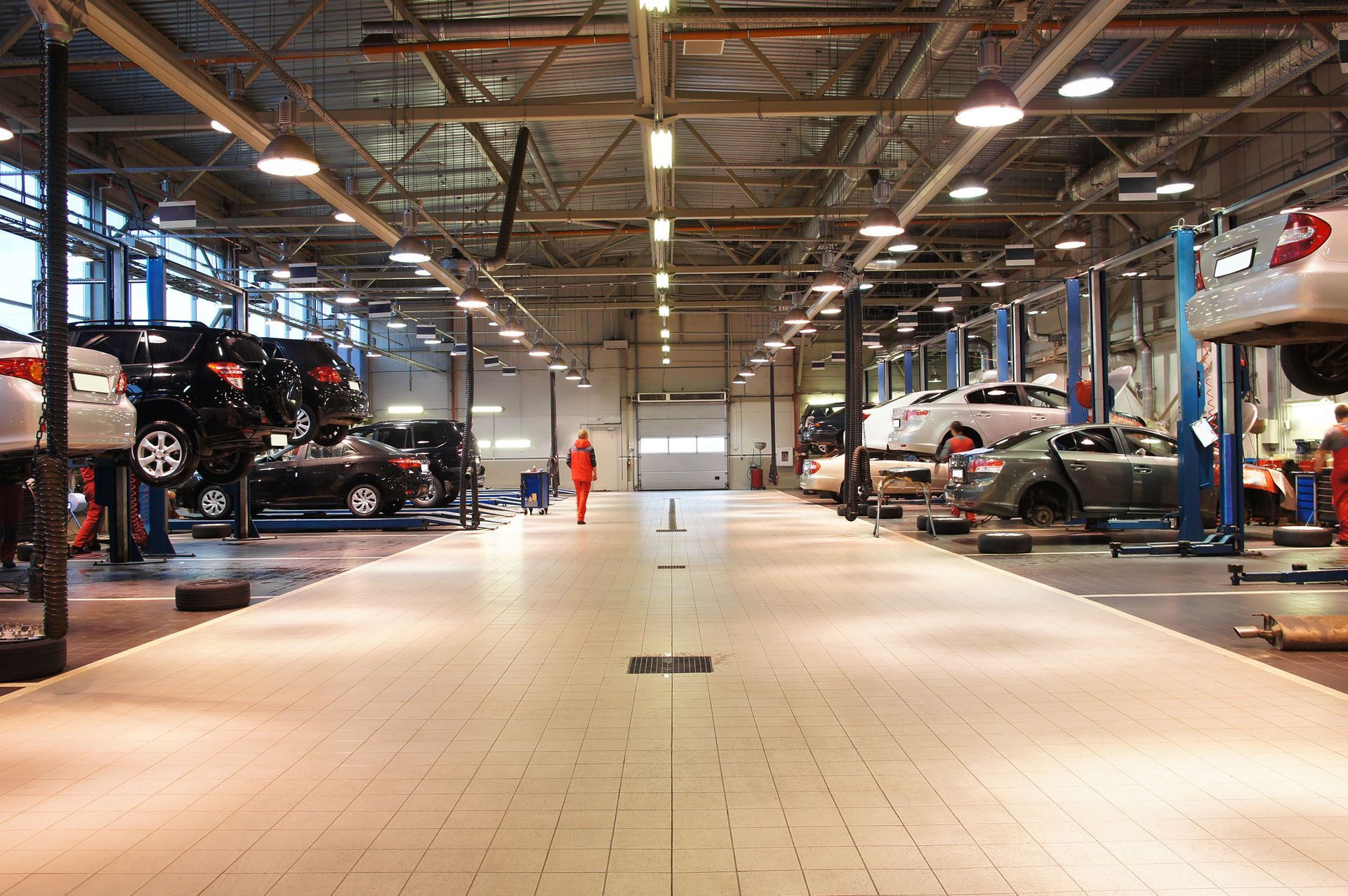
Selecting the right facility also involves evaluating how comfortable you feel communicating with the service advisors and shop management team. Quality auto body shops will gladly explain their repair procedures, answer questions about replacement components, and outline their safety checks. They should also demonstrate familiarity with working alongside major insurance carriers to coordinate supplemental damage claims seamlessly. Building a strong working relationship with your repair team provides tremendous peace of mind while your vehicle is serviced.
Manage the Final Settlement
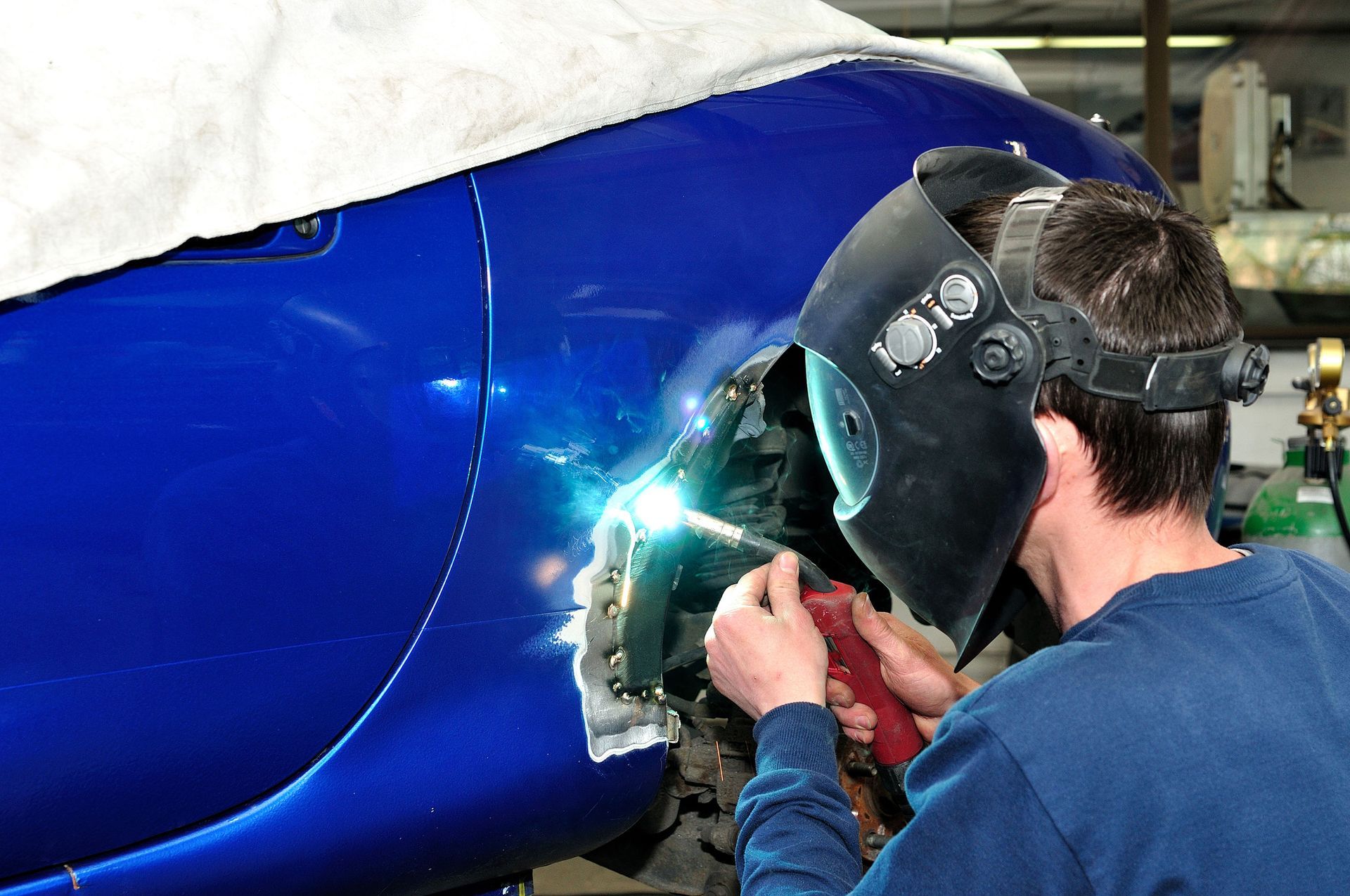
Once restoration work is underway, maintain regular contact with your repair facility to track progress and monitor safety standards. Experienced repair technicians will notify both you and your insurance provider if additional hidden damage is uncovered during vehicle disassembly. Insurance claims frequently require supplemental financial authorizations for these newly discovered issues, which can temporarily extend the overall repair schedule. Staying informed throughout the restoration phase prevents unexpected delays and ensures that all secondary repairs receive formal insurance approval.
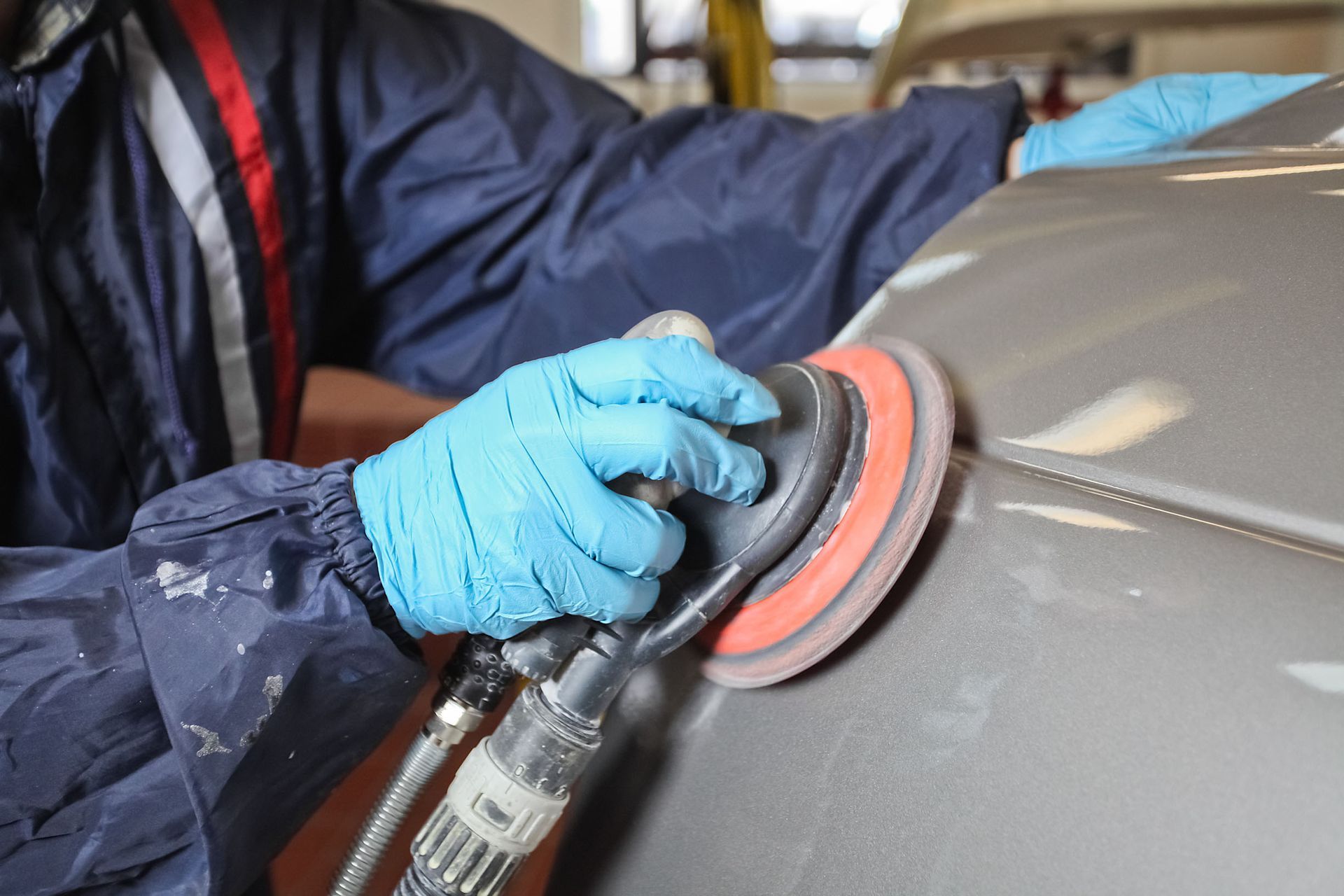
Prior to accepting delivery of your repaired vehicle, conduct a thorough visual and operational inspection alongside the service manager. Inspect body panel alignment, paint color consistency, electronic component functionality, and take a short test drive to verify proper vehicle handling. Verify that your insurance company has disbursed full payment directly to the repair shop, minus your agreed-upon deductible contribution. Reputable auto body shops will review the entire itemized repair statement with you line by line to ensure complete satisfaction with the completed work.
Finalizing your claim involves retaining all repair invoices, warranty documentation, and insurance settlement receipts for your personal vehicle records. Having comprehensive records showing that quality collision repairs were performed helps preserve your vehicle's resale value and protects you in future transactions. If any minor issues or unexpected noises arise after taking delivery, contact your repair shop immediately to utilize their warranty coverage. Completing these final administrative checks brings your post-accident insurance claim to a successful and satisfying conclusion.
Navigating post-accident insurance coverage does not have to be a confusing endeavor for vehicle owners who follow a clear, structured approach. By diligently recording evidence, communicating promptly with insurance adjusters, and selecting trustworthy
auto body shops, you maintain complete control over your vehicle's recovery. Knowing your rights as an insured driver ensures that your policy delivers maximum protection when you need it most. Equipping yourself with practical knowledge turns a frustrating collision into a smooth, manageable recovery process.
When you need exceptional collision restoration and seamless insurance claims support, Philip Maxwell Auto Body is dedicated to guiding you through every step of the process. We work directly with all major insurance providers to handle the paperwork, advocate for quality repairs, and restore your vehicle safely to the road. Contact our experienced team today to schedule your comprehensive repair estimate and let us restore your confidence behind the wheel.

Share On: